How to Supercharge Telemedicine white paper cover by Christopher Lyons and humanLAB

HOW TO SUPERCHARGE TELEMEDICINE

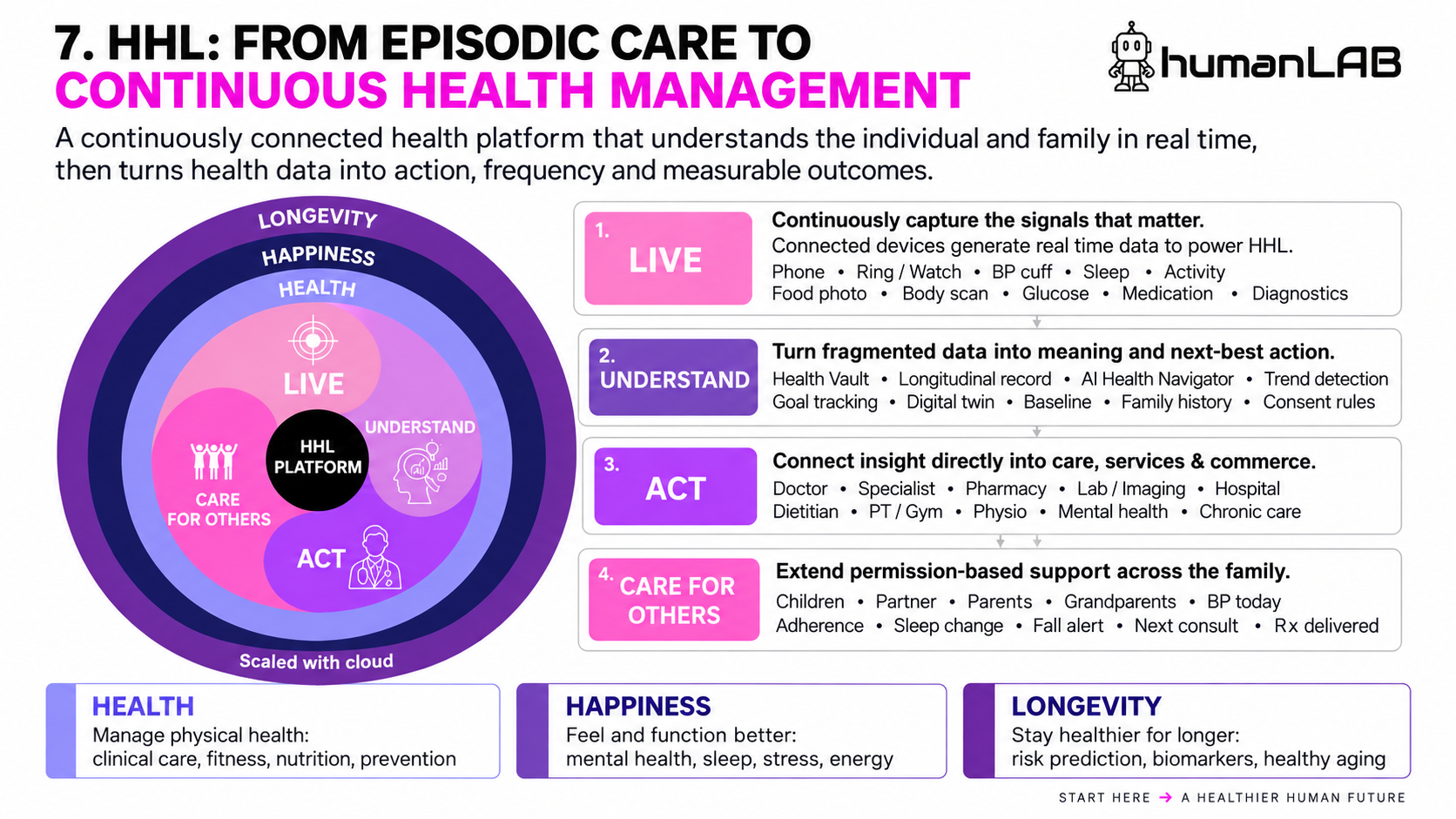
Continuous AI-enabled health ecosystem framework from the humanLAB telemedicine white paper

From episodic care to continuous, AI-enabled health relationships

humanLAB | Executive Strategy Case Study | September 2026

Telemedicine represents one of Asia’s biggest untapped growth and transformation opportunities across users, revenue and lifetime value. Yet most platforms remain designed around episodic illness rather than an ongoing health relationship.

This white paper explores how telemedicine platforms can move from EPISODIC → CONTINUOUS → HABITUAL by strengthening awareness, relevance, trust, value perception, experience, habit and ecosystem integration.

It examines connected health, AI-enabled growth, customer adoption, ecosystem economics and the shift from occasional consultation toward a higher-value, ongoing health relationship.

Prepared by Christopher Lyons
humanLAB

READ / DOWNLOAD WHITE PAPER


READ MORE

ENTERPRISE OMNICHANNEL CAPABILITY ARCHITECTURE

ENTERPRISE OMNICHANNEL CAPABILITY ARCHITECTURE

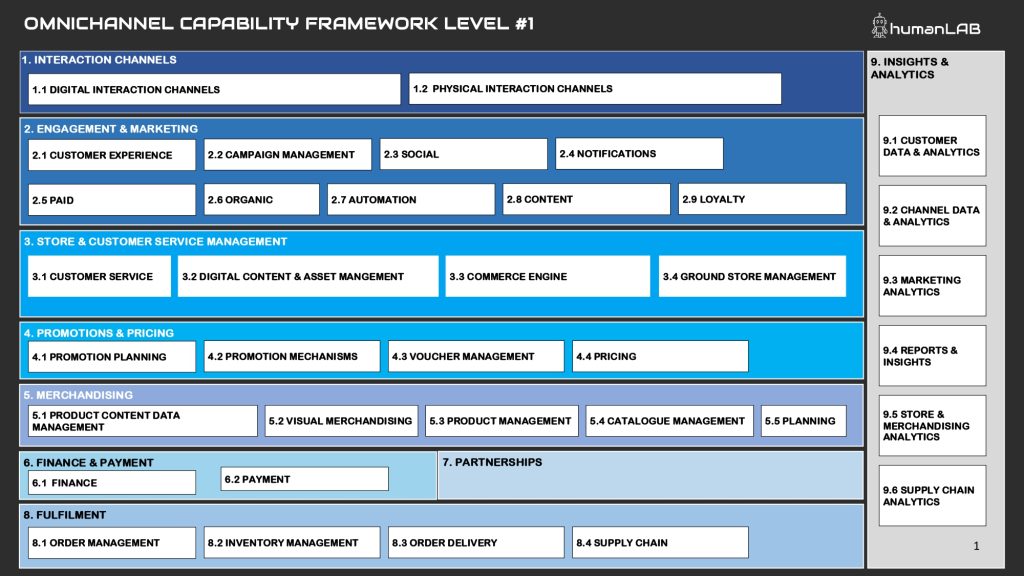
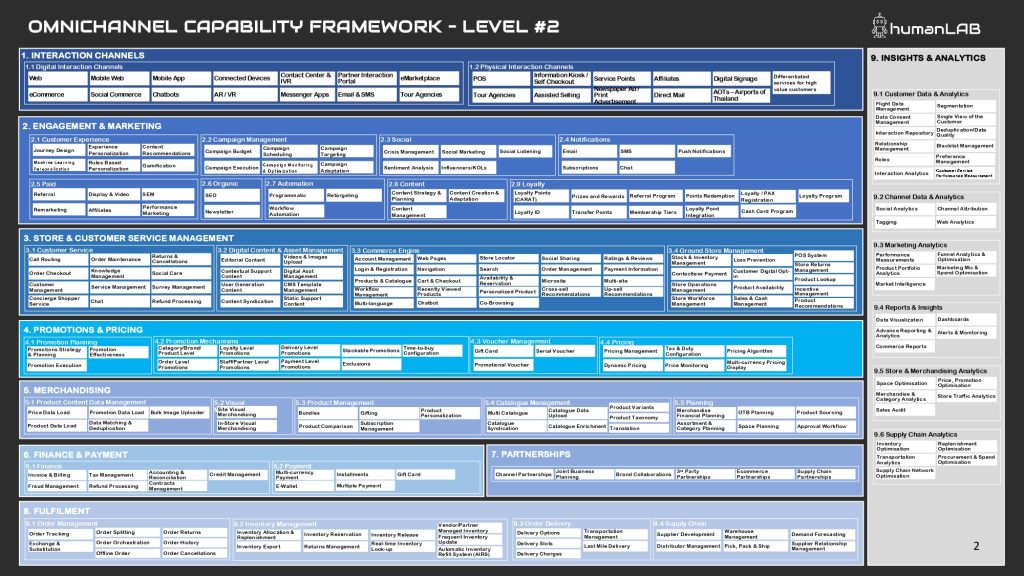
This is not a channel checklist. It is an enterprise operating architecture mapping how every customer touchpoint, commercial capability, operational system and data layer must work together.

Spanning nine interconnected domains—from physical and digital channels, customer experience and marketing to commerce, pricing, merchandising, payments, partnerships, fulfilment and analytics—the framework enables leaders to assess current capabilities, expose gaps and dependencies, and translate complexity into a prioritised transformation roadmap.

EXPLORE THE FULL FRAMEWORK


READ MORE
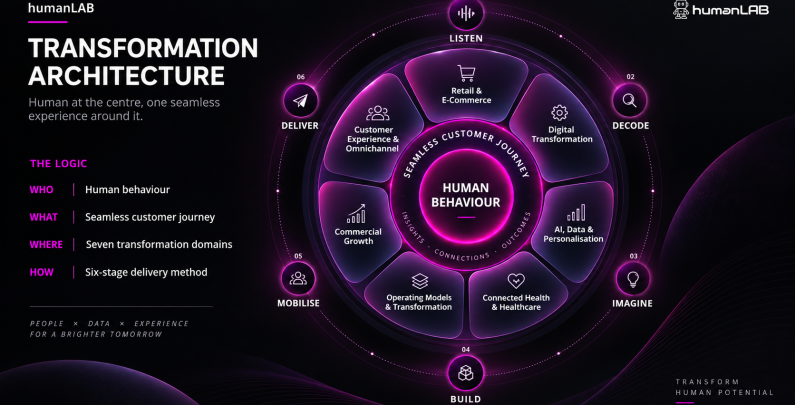
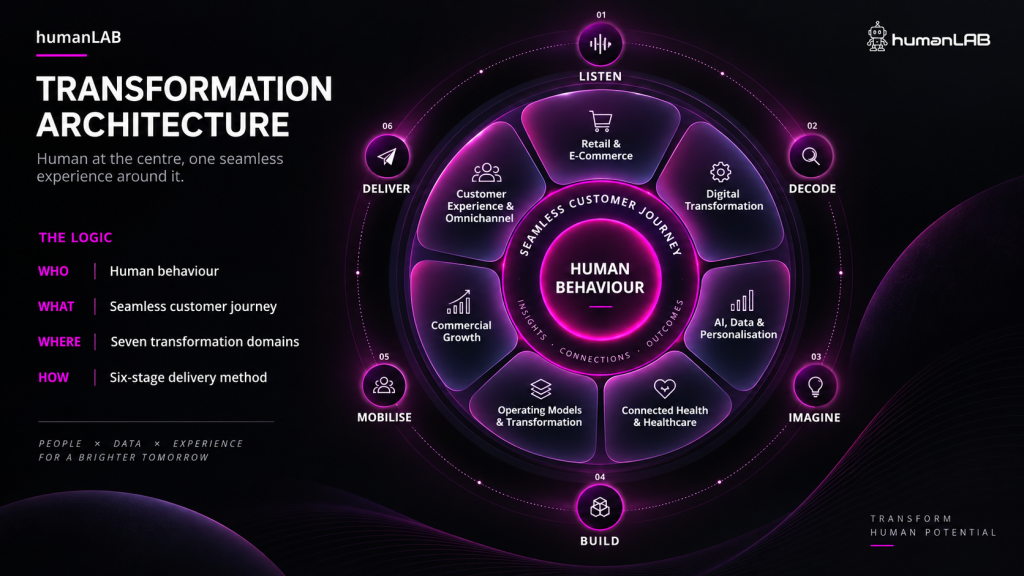
humanLAB Transformation Architecture model

humanLAB TRANSFORMATION ARCHITECTURE

humanLAB Transformation Architecture model
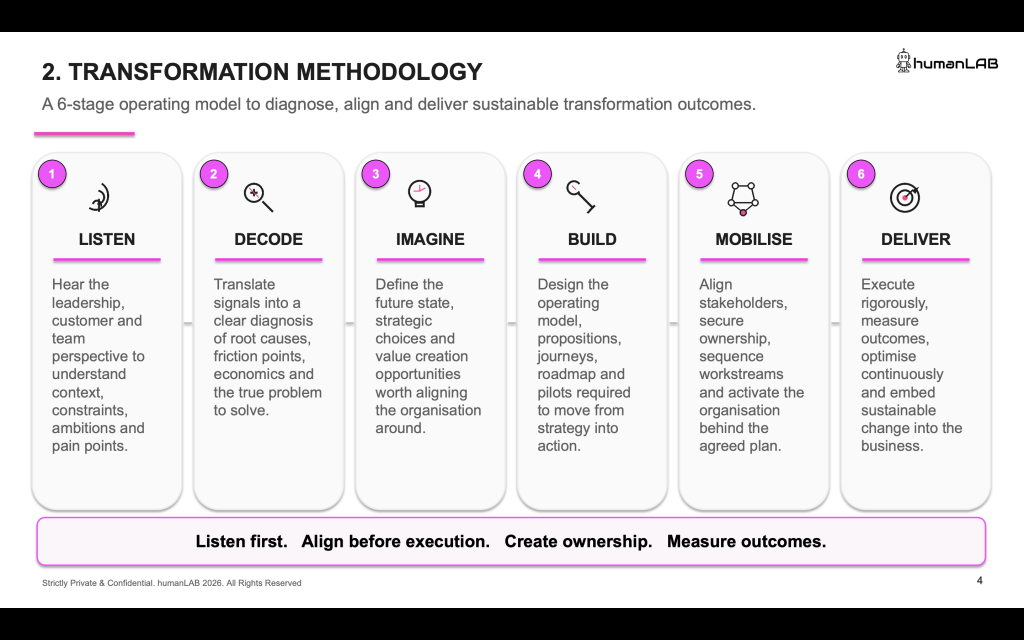
humanLAB six-stage Transformation Methodology: Listen, Decode, Imagine, Build, Mobilise and Deliver

humanLAB TRANSFORMATION ARCHITECTURE

Human at the centre. One seamless experience around it.

Complex transformation requires more than an ambitious vision. It requires a shared understanding of what leadership wants to achieve, what customers genuinely value and what the organisation can realistically deliver.

humanLAB creates a structured environment in which leadership priorities, commercial objectives and operational realities are heard and decoded alongside evidence of how customers and employees actually behave.

The Transformation Architecture brings these perspectives together, reveals the critical gaps and converts complexity into a coherent future state, a prioritised roadmap and coordinated action.

It enables organisations to:

  • Clarify leadership ambition and translate it into actionable priorities
  • Connect commercial objectives with genuine customer and employee behaviour
  • Reveal the gaps between organisational intention and lived experience
  • Make informed choices across customer experience, operations, technology, data and people
  • Turn strategy into a practical, prioritised transformation roadmap
  • Mobilise ownership across leadership and delivery teams
  • Deliver, measure and continuously strengthen the outcomes
LISTENto the ambition.DECODEthe reality.IMAGINEthe right future.BUILDwhat matters.MOBILISEthe organisation.DELIVERmeasurable impact.


READ MORE

CHINA’S FIRST AI-ENABLED BIOMETRIC COMMERCE PLATFORM

CHINA’S FIRST AI-ENABLED BIOMETRIC COMMERCE PLATFORM

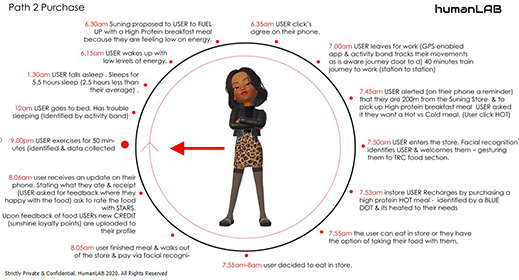
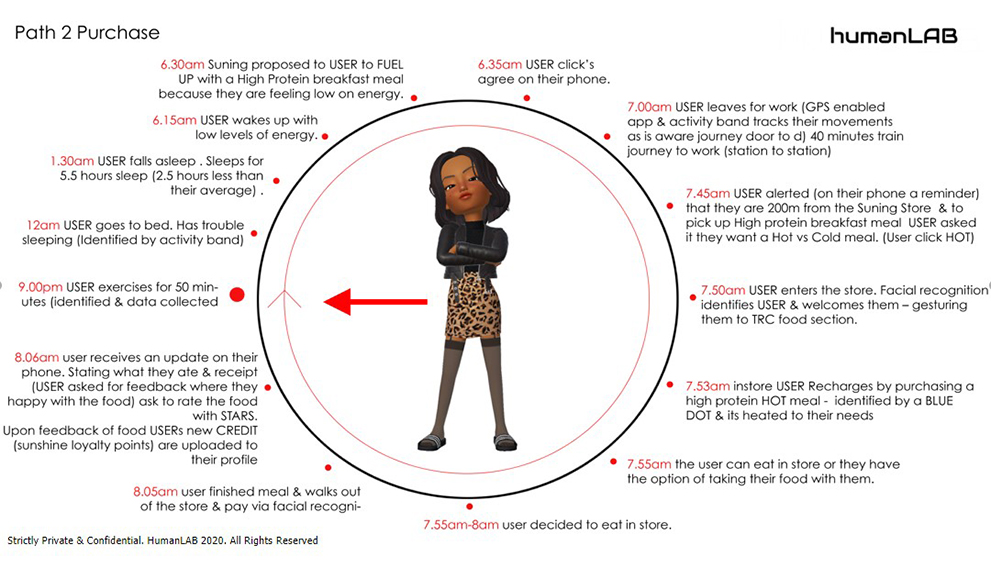
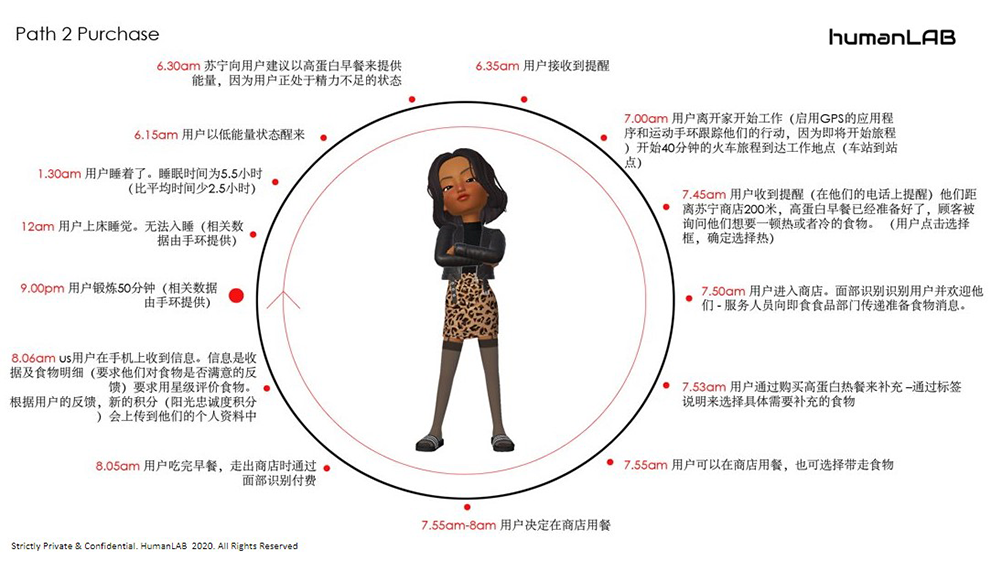
PROJECT: CONVENIENCE STORE OF THE FUTURE — NEW RETAIL ECOSYSTEM

MANDATE: Architect Suning’s next-generation convenience-store ecosystem by integrating physical retail, an AI-enabled mobile application, Huawei biometric technology, CRM, loyalty, digital payments and community engagement into one scalable New Retail platform.

SCALE AND AMBITION: FROM WHITE PAPER TO GREENFIELD DELIVERY | 12 direct reports | 280-person delivery ecosystem | AI-enabled application | Huawei biometric commerce platform | 20,000-store rollout ambition

LOCATION: Nanjing China

Suning set out to move from traditional electronics retailing into a scalable neighbourhood convenience-store ecosystem. The ambition initially existed as a white paper; the mandate was to convert the theory into a greenfield operating model and working solution.

The programme connected physical retail, mobile commerce, AI, Huawei biometrics, CRM, loyalty, digital payments, community engagement and fulfilment into one New Retail ecosystem capable of supporting a 20,000-store rollout ambition.

RESPONSIBILITIES AND OUTCOMES

  • Converted the original white paper into a commercial, customer and operating blueprint for greenfield delivery.
  • Architected the end-to-end New Retail ecosystem and customer journeys.
  • Led 12 direct reports within a 280-person multidisciplinary delivery ecosystem.
  • Integrated Huawei biometric technology into the commerce and payment journey.
  • Defined the AI-enabled application, CRM, loyalty, payments and community-engagement capabilities.
  • Aligned executives, technology teams, store operations and external partners around one delivery model.
  • Created the pilot, governance and rollout approach required to move from concept to a scalable working solution.

VIEW CONVENIENCE STORE OF THE FUTURE STRATEGY

READ MORE

VLEEMO ONCOLOGY CENTRE OF EXCELLENCE

VLEEMO ONCOLOGY CENTRE OF EXCELLENCE

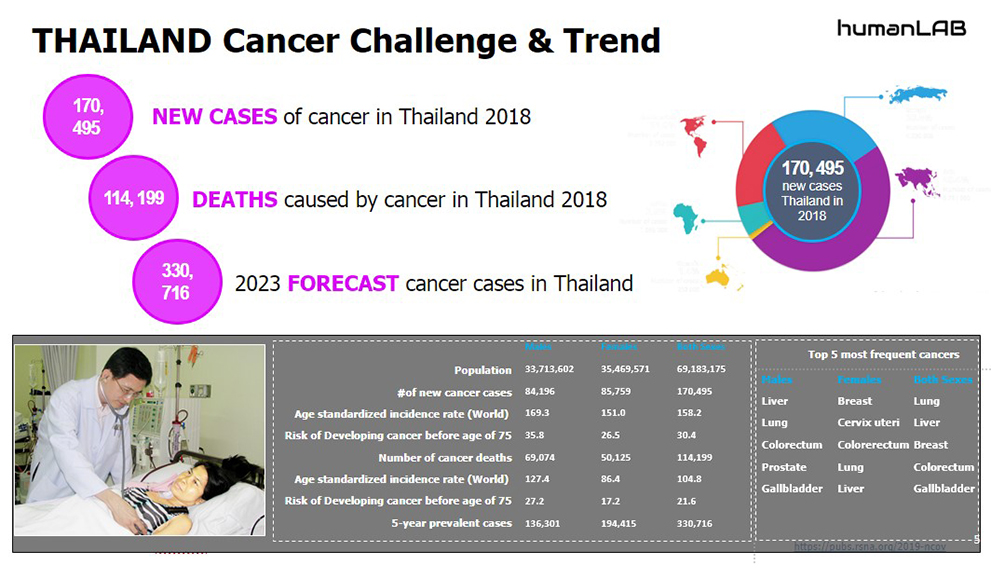
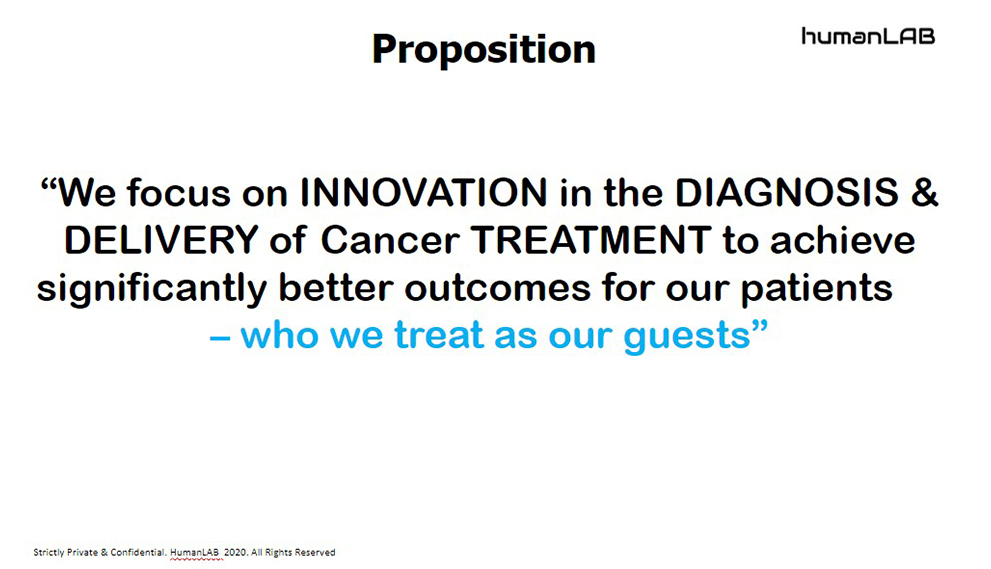
VLEEMO appointed me to build the strategic and commercial blueprint for a proposed 80-bed greenfield Oncology Centre of Excellence and advanced nuclear-medicine facility in Phuket.

The development integrated a premium patient journey, medical-tourism strategy, 7-year commercial model, technology roadmap, BOI investment strategy and partnerships with GE Healthcare and Siemens Healthineers—with planned capabilities spanning PET/CT, CT, MRI and Proton Therapy.

RESPONSIBILITIES

  • PURPOSE: Defined the healthcare mission, brand purpose and patient promise for a new regional oncology destination.
  • PATIENT EXPERIENCE: Designed the end-to-end journey across awareness, screening, diagnosis, treatment, recovery and continuing care—supported by family communication, digital engagement and personalised service.
  • CLINICAL AND TECHNOLOGY ROADMAP: Defined the proposed oncology and nuclear-medicine capabilities across PET/CT, CT, MRI and a planned Proton Therapy programme.
  • COMMERCIAL MODEL: Built the 7-year cost, pricing and revenue model required to evaluate investment viability and support long-term commercial sustainability.
  • OPERATING MODEL: Designed the service-delivery model, organisational capabilities, patient pathways and operating requirements for the proposed 80-bed facility.
  • STRATEGIC PARTNERSHIPS: Led partnership development and commercial negotiations with GE Healthcare and Siemens Healthineers to shape the medical-technology roadmap.
  • INVESTMENT AND BOI STRATEGY: Developed the Thailand Board of Investment strategy covering investment incentives, tax concessions, regulatory alignment and international workforce requirements.
  • MEDICAL TOURISM: Positioned the Phuket facility as a differentiated regional destination for advanced oncology, nuclear medicine and premium patient care.

VIEW THE ONCOLOGY CENTRE STRATEGY


READ MORE

YOU REALLY DO HEAR IT POP—LIKE A GUNSHOT GOING OFF INSIDE YOUR BODY

The morning everything changed

At approximately 7:40 a.m. on 27 September 2019, my Achilles tendon ruptured in a Bangkok Muay Thai gym.

People describe it as a “pop”. That word does not come close.

It sounded like a gunshot going off inside my body. My tendon recoiled towards the top of my calf, and I fell face-first to the floor like a slab of beef hitting a butcher’s tray.

Strangely, there was no immediate pain. I tried to stand, managed approximately three seconds and collapsed again—my left leg flapping beneath me like a fish pulled from the water.

My first emotion was panic.

Like many people, I had heard stories about athletes rupturing their Achilles and hearing a distinctive pop. I can tell you with absolute certainty: you really do hear it.

Broken in more ways than one

That morning exposed how vulnerable I really was—and how quickly life can change.

Seven days earlier, I had lost the job I had moved halfway around the world to take. With hindsight, it was a position I probably should never have accepted.

My health insurance had expired two days before the accident.

I was alone, lying on the floor of a third-floor Muay Thai gym in Bangkok. It was approximately 34 degrees, there was no air conditioning and the building had no lift.

Physically and mentally, I had reached rock bottom.

That day became the beginning of rebuilding—not simply rebuilding my leg, but rebuilding myself.

Sometimes you have to be broken before you can be rebuilt.

Then COVID changed the rules

Only months later, COVID closed the world around me.

Access to doctors, physiotherapists and rehabilitation facilities became extremely difficult. I was in Phuket and much of my recovery had to be undertaken alone.

There was no regular physiotherapist standing beside me, correcting each movement or reassuring me that I was progressing. YouTube became my rehabilitation guide. I watched demonstrations, studied exercises and tried to understand what my body could safely tolerate.

Recovery became a daily experiment involving determination, repetition, uncertainty and occasionally painful mistakes.

I had to listen carefully to my body, decide what advice I could trust and keep moving forward without knowing whether I was doing everything correctly.

Rehabilitation is rarely inspirational while you are living through it

Rehabilitation really sucked.

It was tiring, painful, expensive and frightening. Progress came in increments so small that they were often impossible to see from one day to the next.

I consider myself a highly motivated person, but there were days when I could not get out of bed. Sometimes I had pushed too hard and was overwhelmed by pain. On other days, I simply could not face how long recovery was taking.

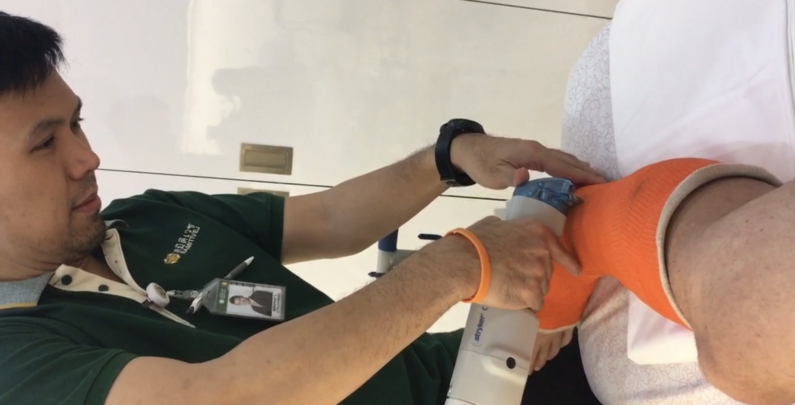
Across two surgeries, setbacks and 21 months of rehabilitation, I spent six weeks in plaster and seven months in a moon boot.

The boot was originally expected to remain for five months. Then I fell down a flight of stairs and had to wear it for another two. After that came approximately ten weeks walking with a cane.

Every milestone seemed to reveal another stage still waiting ahead.

What the specialists told me

Two specialists told me I might never walk normally again.

They were wrong.

Today, I walk normally.

I was also told that I would probably never run as I once had because relatively few people over 35 fully recover from a severe Achilles rupture.

On that point, they were right.

I cannot run on a treadmill or on the road as I once did. Instead, I run against the resistance of water in the swimming pool. It protects my Achilles while allowing me to maintain my cardiovascular fitness, strength and mobility.

I also incorporated yoga into my training. At times, it feels harder than my regular gym workouts—but it has become another important part of rebuilding what I lost.

Recovery does not mean returning to who you were

This is not a story that pretends adversity is a gift.

The experience was lonely, painful, frightening and financially draining. I would never choose to repeat it.

But it changed me.

It made me more determined to succeed, more aware of how fragile independence can be and more thoughtful towards people living with injuries, disabilities or challenges that the rest of us cannot immediately see.

My Achilles rupture took away my ability to run as I once did. It did not take away my ability to keep moving.

Everyone encounters adversity. Sometimes it arrives gradually. Sometimes it sounds like a gunshot going off inside your body.

Overcoming it does not always mean returning to the person you were before. Sometimes it means accepting what has changed, adapting to a new reality and deciding—with patience, humility and determination—who you will become next.

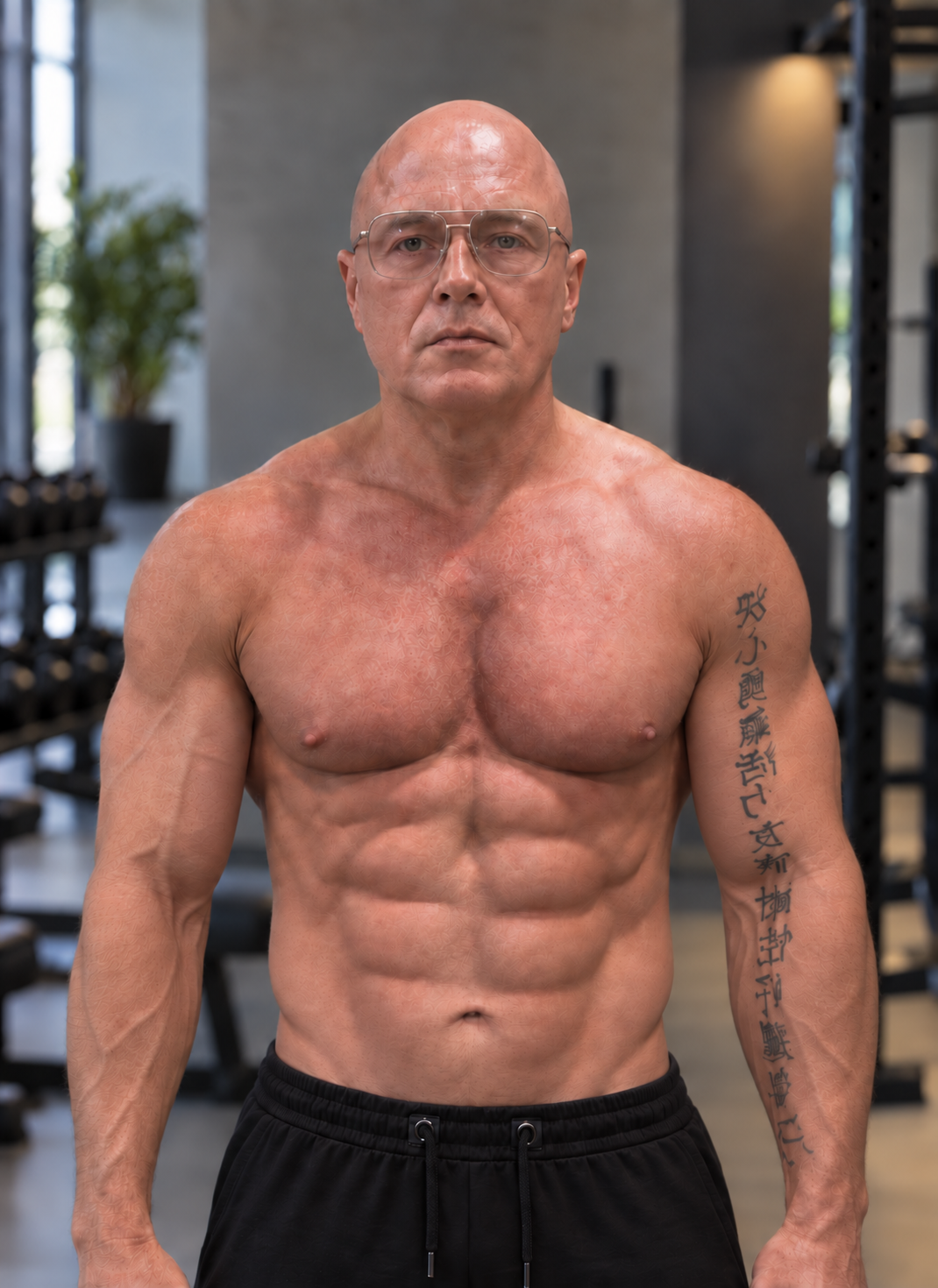
Christopher Lyons following recovery from an Achilles tendon rupture
READ MORE

POLYMATH: BREADTH WITH PURPOSE

I DON’T COLLECT DISCIPLINES. I CONNECT THEM.

POLYMATH THINKING, IKIGAI AND MY REASON FOR BEING

A specialist develops deep expertise within a particular field. A polymath develops expertise across different fields—and understands how to connect them.

That distinction matters because the most difficult business problems do not arrive neatly packaged inside one function. They sit between strategy and execution, leadership ambition and customer behaviour, technology and human adoption, creativity and commercial reality.

A specialist can solve the problem within their discipline. A polymath can recognise when the real problem exists between disciplines.

That is where I have built my career.

I have worked across B2C and B2B businesses, connecting retail, e-commerce, telecommunications, healthcare, SaaS, AI, customer experience, marketing, operations and commercial transformation.

These are not unrelated chapters in my career. They are interconnected perspectives that allow me to understand a business as a complete system.

I can listen to a leadership team discussing growth, understand the customer behaviours shaping that opportunity, decode the operational and technological barriers, imagine a better future state and work with multidisciplinary teams to build and deliver it.

This is why I describe myself as both an architect and a builder.

I create the strategic blueprint—but I also understand what must happen across people, processes, technology, data, customer experience and commercial execution to make it real.

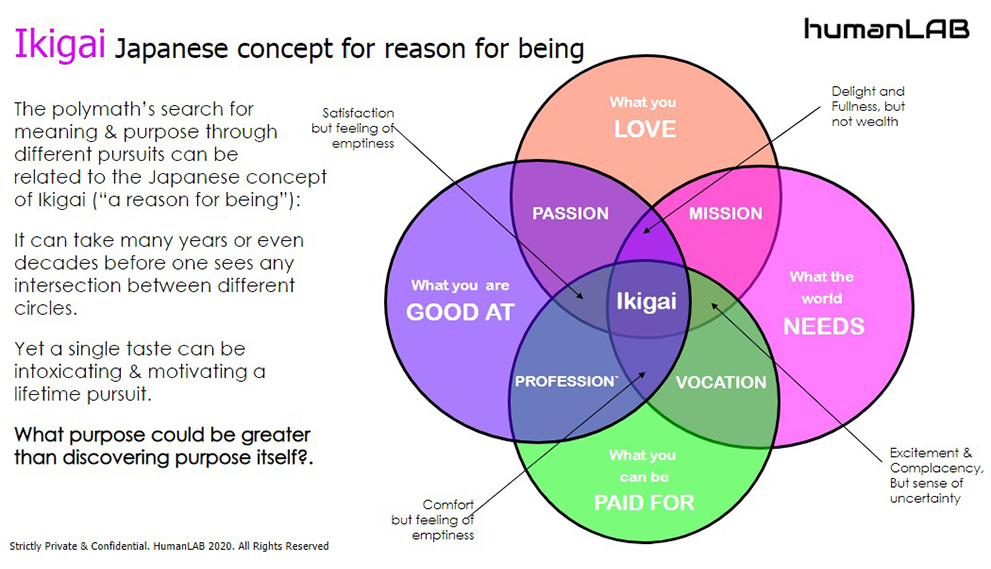
IKIGAI: A REASON FOR BEING

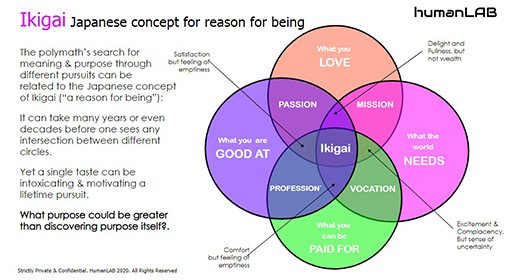
The Japanese concept of Ikigai can be translated as ‘a reason for being’—the source of meaning and direction that makes life feel worthwhile.

For me, Ikigai is not a formula for finding one perfect job. It is a way of understanding how different experiences, capabilities and interests can gradually converge into a meaningful purpose.

WHAT I LOVE: Solving complex problems, challenging conventional thinking and creating better experiences for customers, employees and organisations.

WHAT I AM GOOD AT: Listening to different perspectives, decoding complexity, recognising connections others may miss and turning ambiguity into a clear, practical path forward.

WHAT ORGANISATIONS NEED: Transformation that is human, commercially grounded and executable—not another strategy that looks impressive but cannot survive contact with operational reality.

WHAT CREATES VALUE: Architecting and delivering change across customer experience, digital commerce, AI, technology, marketing, operations and organisational capability.

At the intersection of these areas is my professional purpose:

To understand complex systems, connect the disciplines around them and build transformation that creates measurable human and commercial impact.

We listen to the ambition.
We decode the reality.
We imagine the right future.
We build what matters.
We mobilise the organisation.
We deliver measurable impact.

I am not defined by one industry, function or discipline. I am defined by my ability to connect them.

READ MORE

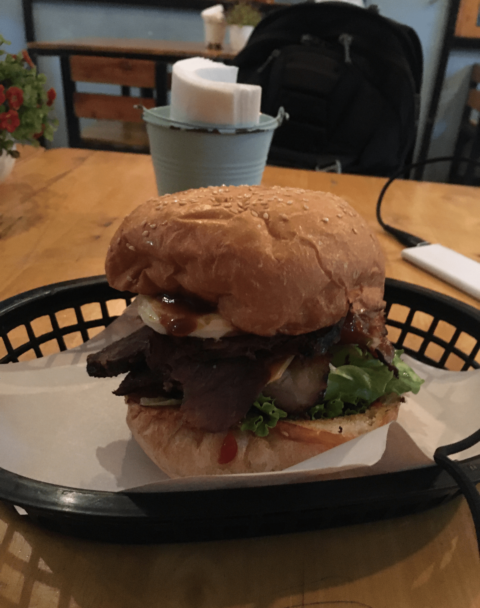
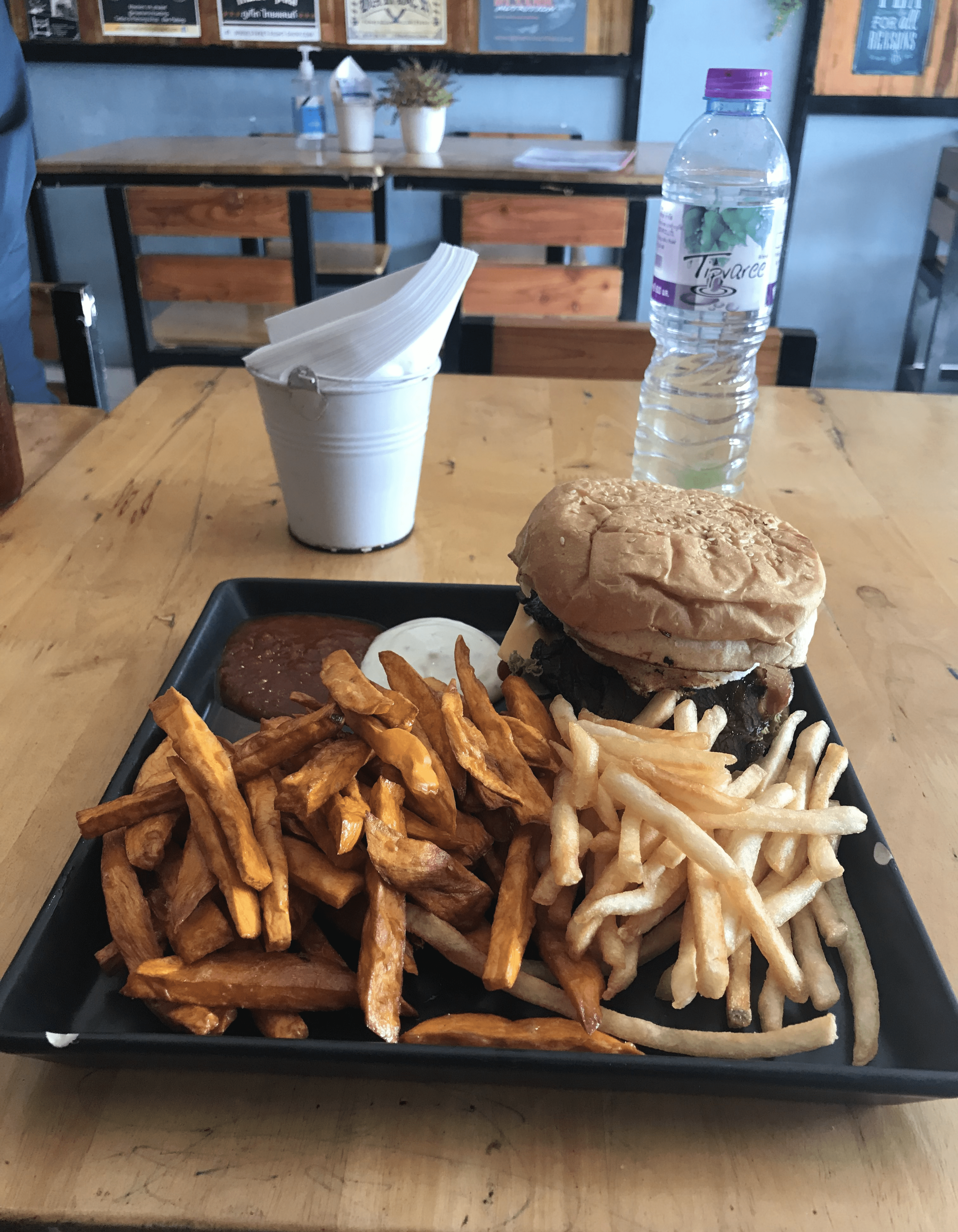
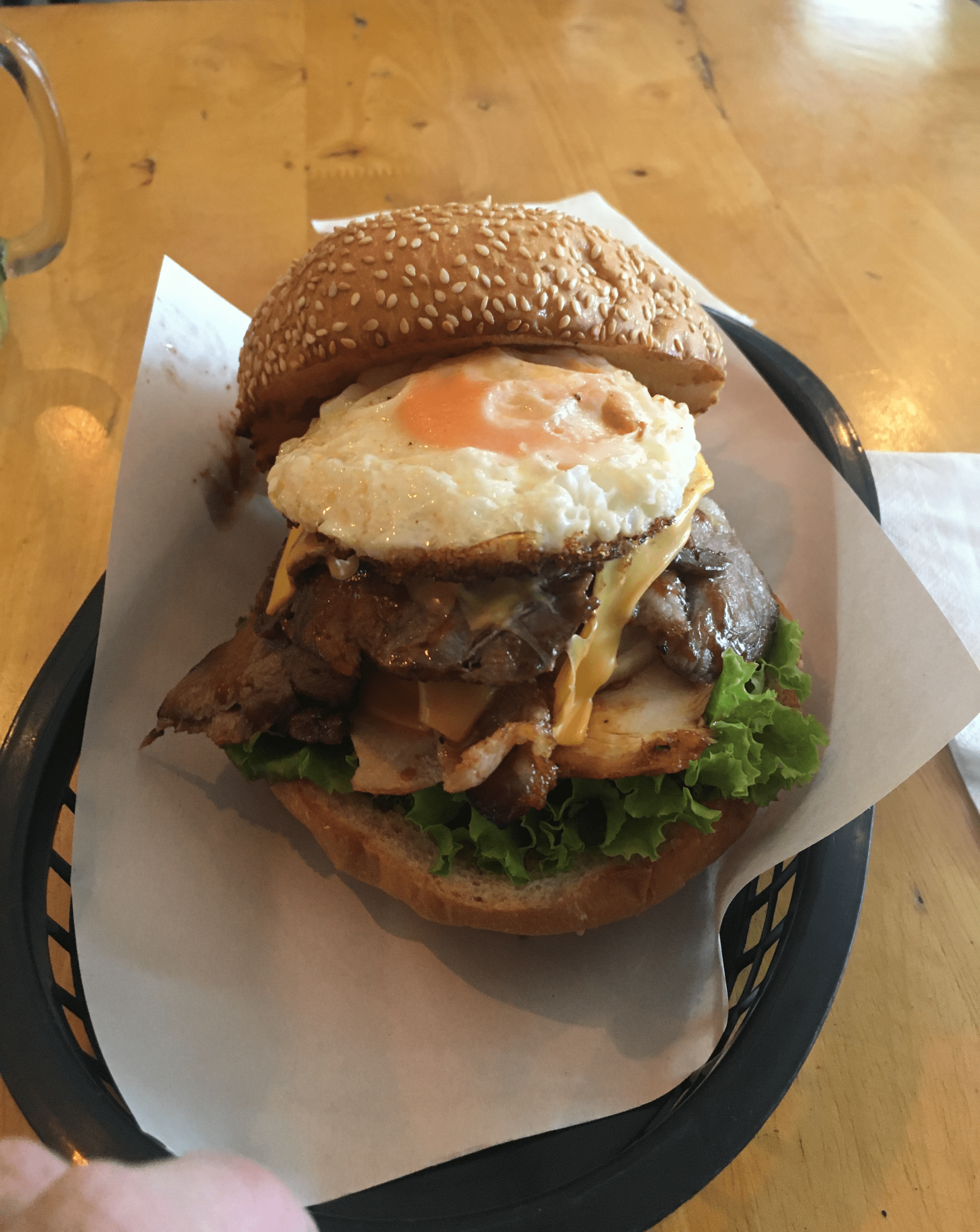
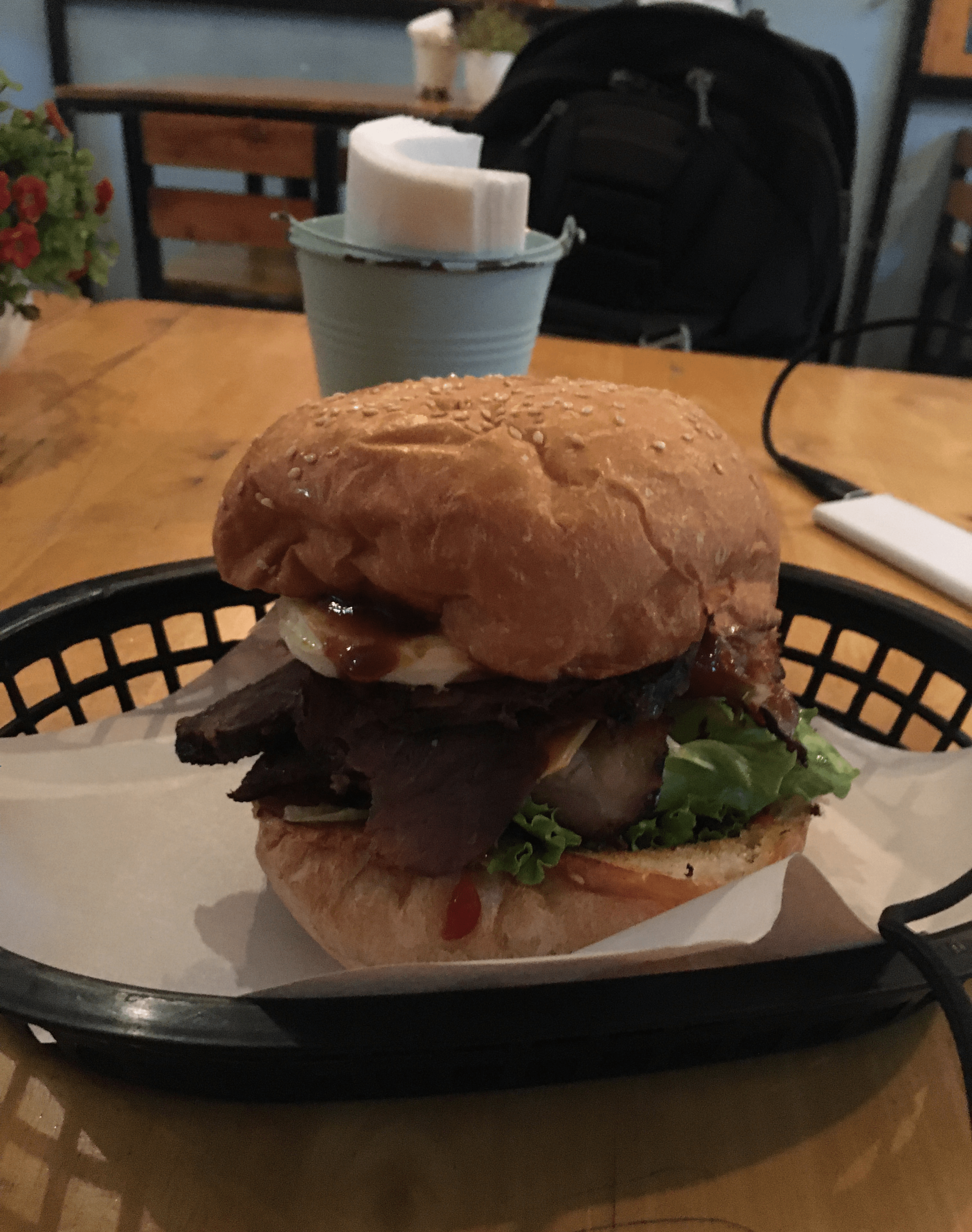
YES, I REALLY DO HAVE A BURGER NAMED AFTER ME.

image
image
image

THE CHRISTOPHER

A VERY PERSONAL LESSON IN CUSTOMER EXPERIENCE

Some people have buildings, streets or scholarships named after them.

I have a burger.

And honestly, I think I got the better deal.

What began as my increasingly ambitious personal order eventually became something official. Eddie, the owner, took the combination, put it together and gave it a name:

THE CHRISTOPHER.

It is not designed for restraint.

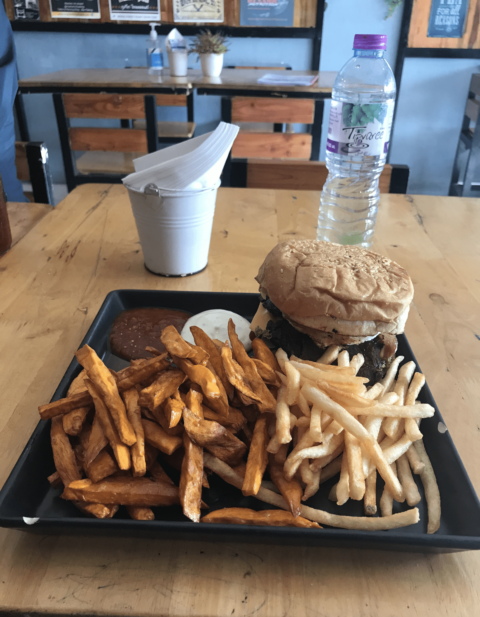
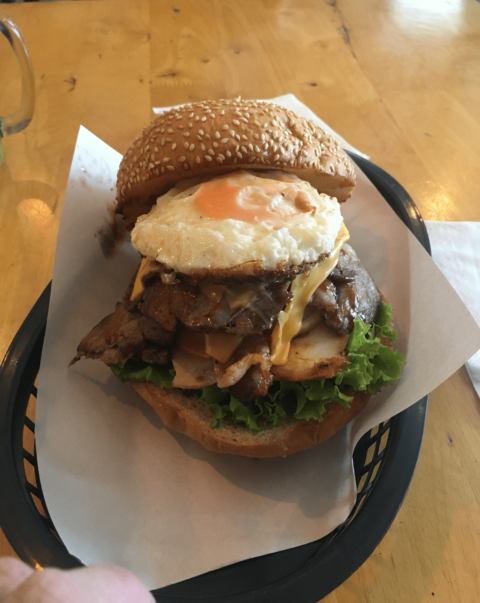
WHAT’S INSIDE?

  • 200g of slow-cooked Australian beef
  • Marinated chicken
  • Homemade BBQ bacon
  • BBQ roast pork
  • BBQ brown sauce
  • Cheddar cheese
  • Fried egg
  • Lettuce
  • A homemade bun

It is served with your choice of traditional or sweet-potato fries—although, if you ask Eddie nicely, you may be able to have both.

You can also choose homemade tomato sauce or mayonnaise.

I have both.

Restraint was never part of the design brief.

THE REAL INGREDIENT IS PERSONALISATION

Customer experience is often discussed through data, platforms, personalisation engines and increasingly, AI.

All of those things matter.

But the foundation of a memorable customer experience is much older and much simpler:

Pay attention. Remember what matters. Make people feel recognised.

Eddie listened. He remembered. He made the experience personal—and ultimately turned an individual preference into a product.

That is how relationships become loyalty.

Technology can scale personalisation.

But attention creates it.

And occasionally, it creates a burger.

READ MORE